


Community
When Winter Hits Hard: Why We Should Care About Our Unsheltered Neighbors
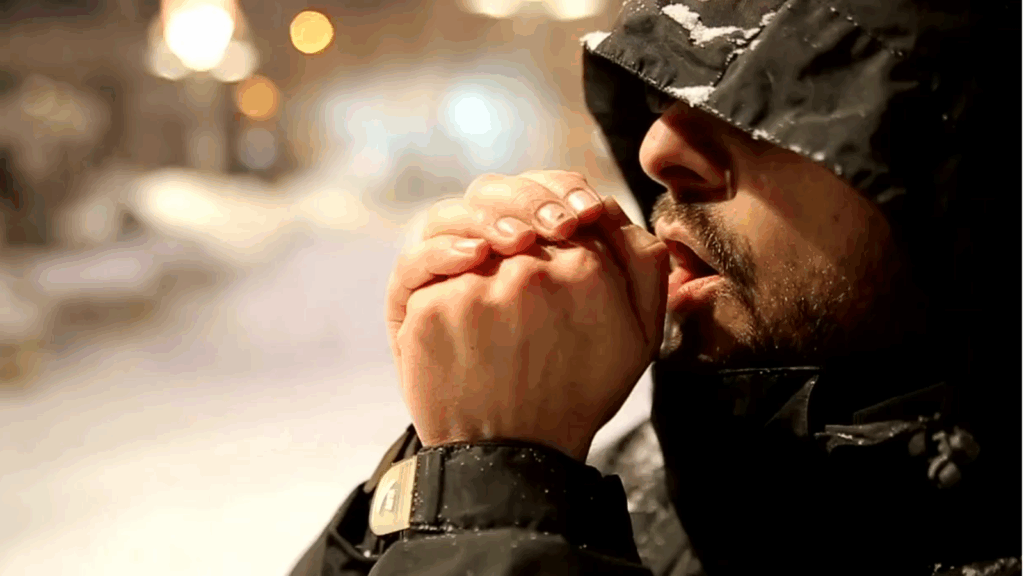
Each year, as temperatures plummet, individuals experiencing homelessness in cities like ours face serious risks — from frostbite and hypothermia to lack of access to safe shelter, warm meals, and basic supplies. The cold doesn’t just make street life uncomfortable — it can become deadly.
As community members, we each have tools to help — even small actions can make a big difference in someone’s life. Below are practical, compassionate ways to help keep unsheltered neighbors safer and warmer this winter.
Ways You Can Help
✅ Recognize when help is urgently needed
- Learn to spot signs of extreme cold exposure: dizziness, confusion, sluggishness, slurred speech, intense shivering or lack of coordination could indicate hypothermia or frostbite.
- If someone seems unconscious or unresponsive, call 911 immediately. Every minute counts.
💬 Talk with compassion — and ask what they need
- A simple “Are you okay?” or “Do you have somewhere warm to go tonight?” can open a conversation. Many people experiencing homelessness value their dignity and autonomy — asking respectfully matters.
- If they are open to help, ask if there’s anything they need — a warm drink, a blanket, information about shelters.
☕ Offer warmth: hot drinks, meals, or basic winter gear
- On a cold day, offering someone a hot drink or warm meal can be a kind gesture — but always ask first, out of respect for their preferences and needs.
- If you carry extra winter essentials (like scarves, socks, gloves, hand warmers, blankets) — and the person seems open — these can offer real relief.
🧥 Donate winter gear or funds to trusted organizations
- Many people experiencing homelessness rely on local organizations, like Friendship Place, that distribute winter coats, boots, blankets, scarves, and other cold-weather essentials.
- Even small financial donations can help us scale our efforts — buying supplies in bulk, keeping our Welcome Center open, or running street outreach efforts when cold weather hits hard.
📣 Raise awareness & spread the word
- Share resources — shelter locations, outreach hotlines, warming centers — with friends, neighbors, and on social media.
- Encourage others to check on unsheltered neighbors when the weather gets harsh. Every extra pair of eyes helps.
Why This Matters — And What’s at Stake
During extreme cold, unsheltered individuals are much more vulnerable not only to cold-related injuries (frostbite, hypothermia) but also to long-term health effects.
By combining compassion with practical action, we can help ensure that our neighbors aren’t left out in the cold this winter.
Other Useful Resources & Tips
- Keep the hotline number handy — Save (202) 399-7093 (or 311) in your phone. If you see someone outside who seems vulnerable, physically cold, disoriented, or asks for help, call.
- If it seems medically urgent (unresponsive, signs of severe hypothermia — confusion, extreme shivering, slurred speech, etc.), call 911 instead.
- Sign up for alert notifications: The city’s alert system AlertDC (alert.dc.gov) sends out Cold Alerts and Extreme Cold Alerts so you’ll know when warming centers and shelters are being expanded or when transportation is being prioritized.

